
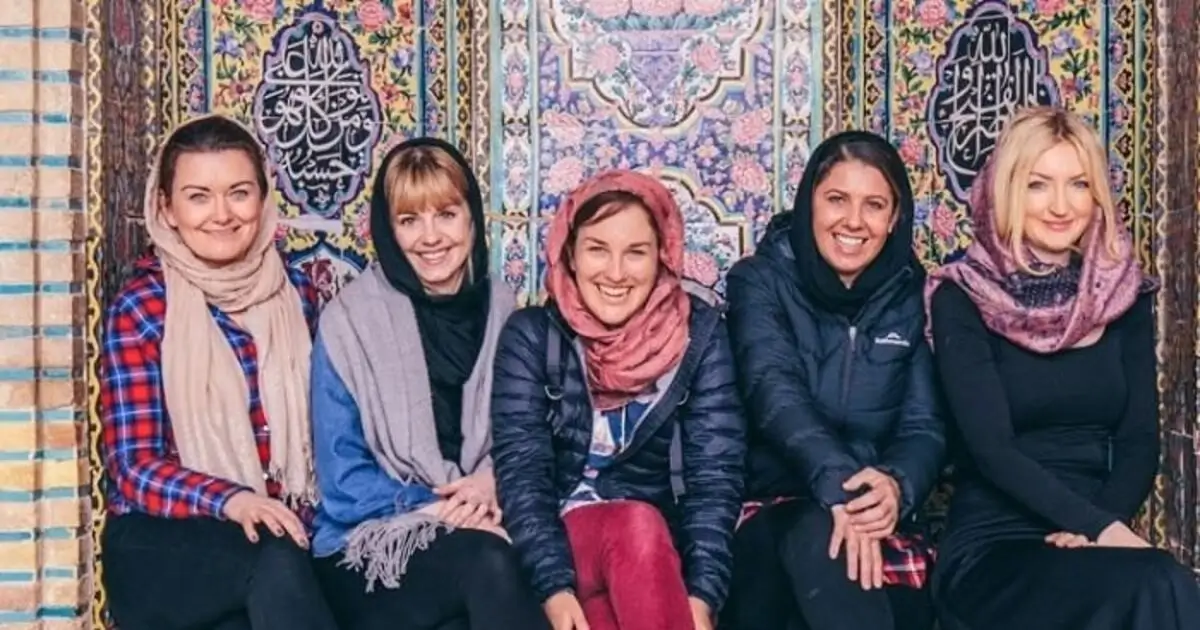

A big concern for people traveling to Iran is the dress code. They wonder what they should wear. Does the color of their dresses matter in Iran or not? What do women wear in Iran? And so on. Here, we are going to answer all these questions and give you useful tips on the dress code in Iran, so if you are planning to travel to Iran and thinking about packing your suitcase, just spend a few minutes reading this article, before doing so.
Check out latest Iran Tour Packages
Iran Dress Code for Women
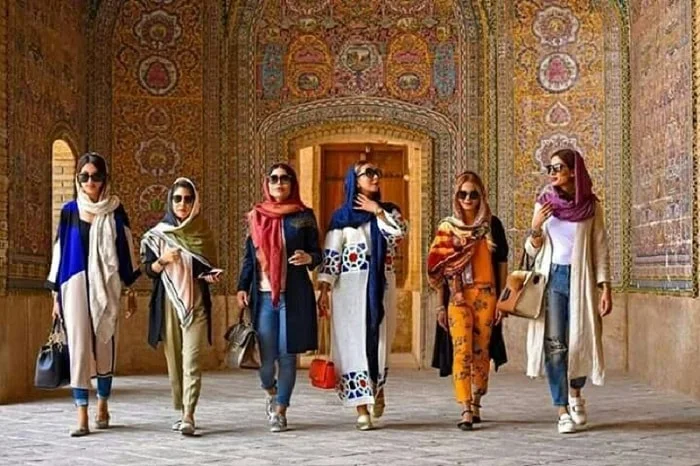
Iran is a country that respects Islamic rules. One of these rules concerns the dress code which is called Hijab. It means that women in Iran have to wear clothes that cover their bodies moderately. However, these rules are not very strict for tourists and you should not worry about them so much. Moreover, on your arrival, the first thing you will notice is how the young generation follow the fashion and how stylish they are.
In Iran, ladies wear scarves to cover their heads. Nowadays, not so many people follow this rule, and you will see women and girls who wear a scarf to cover only the top of their heads. What will definitely surprise you will be the range of colors they choose for their scarves. You may hear that women only wear black and dark color scarves, but that is not true at all. Many Iranian designers use different colors and patterns while designing scarves which may attract your attention. Moreover, in summer you will see people wearing white and light colors to fight the heat.
Another dress code for women is wearing manto. It is a long and loose dress like a tunic to cover the body. Iranian women’s dress in public consists of a scarf and a manto along with pants or skirts. Legs should be covered down to ankles. Instead of wearing manto, you can easily wear a long tunic or cardigan. They are an incredible choice for summer trips to Iran.
During the past few years, Iran has changed a lot, and nowadays, you don’t need to wear socks all the time in public. Moreover, wearing 3/4 sleeves are also fine these days. If you prefer to wear sandals while traveling to Iran, you should know that they are totally acceptable in Iran.
Generally speaking, there are not many Hijab restrictions in Iran. You only need to be careful about your clothing at mosques and holy shrines. At some of these places, such as Hazrate Masoumeh Holy Shrine in Qom, Shah-Cheragh Mosque in Shiraz, and Imam Reza Holy Shrine in Mashhad, women must wear Chador. Chador is a large piece of fabric that covers your entire body from head to toe. There are always places to rent one at the entrance gates of mosques and holy shrines, so don’t worry about bringing one with you.
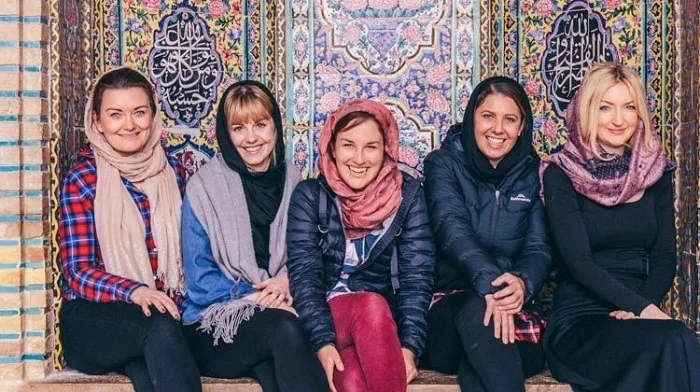
Tips on Dress Code in Iran for Women
- Technically, hair must be covered but it is not a strict issue.
- The body should be covered by loose clothes like a manto or a coat.
- Legs should be covered down to ankles.
- Sandals are definitely OK.
- Chador is compulsory only in holy places, and they are often available for visitors in these places.
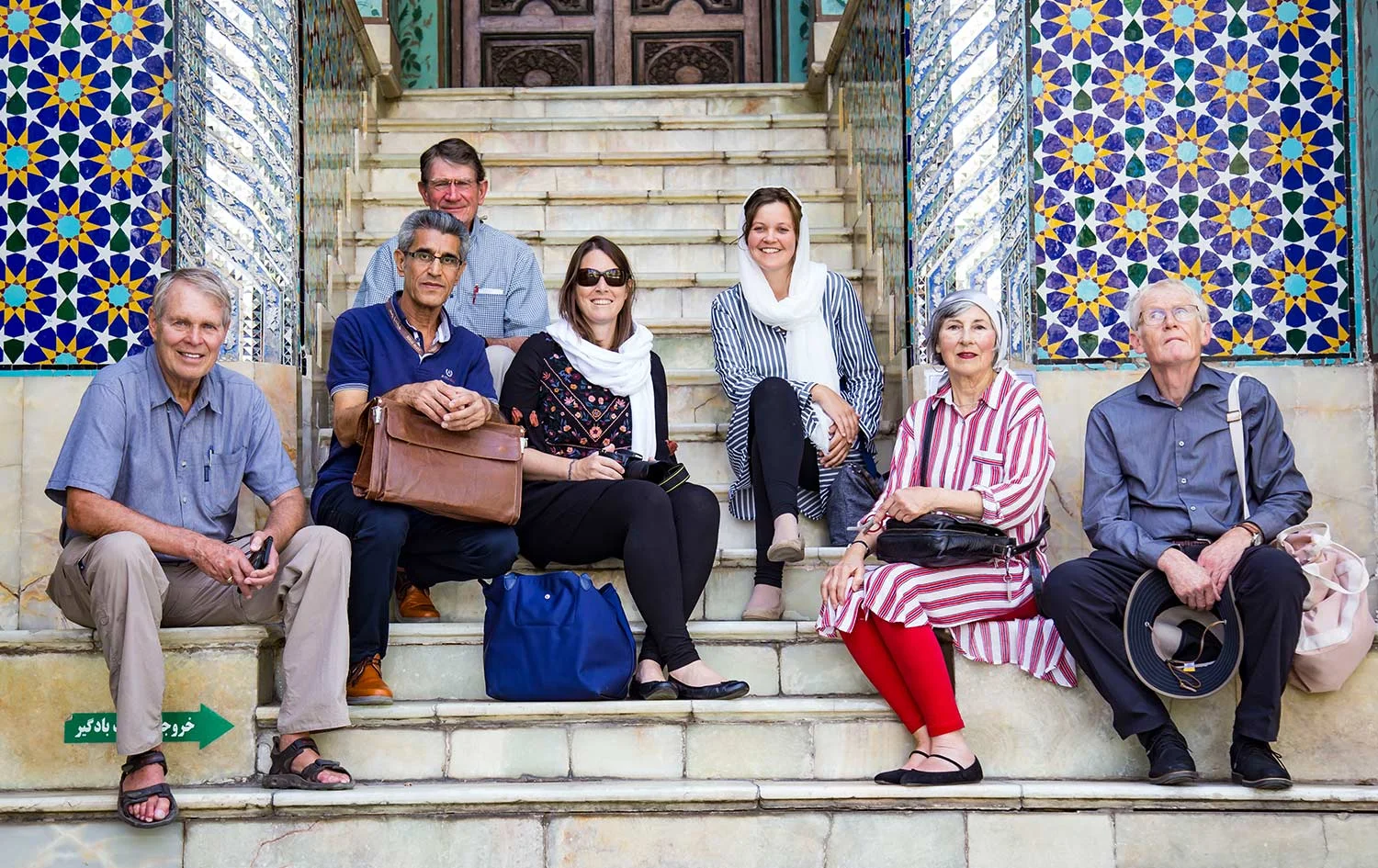
Dress Code for Men
The only dress code for men is that they are not allowed to wear shorts in public. Wearing T-shirts for men is absolutely OK. However, they should always avoid sleeveless vests. Same as women, wearing sandals and colorful dresses are totally fine in Iran.
Tips on Dress Code in Iran for Men
- In public, shorts are not acceptable.
- T-shirts are totally OK, but not the sleeveless ones.
Shopping dress in Iran
Iran is well-known for its local markets and traditional bazaars. You can find everything in these types of shops while traveling around Iran. However, during the past few years, a number of modern shopping malls have been opened in every part of the country. Therefore, shopping is not very hectic in the country.
Moreover, if you like, you can order the local clothing specific to the seasonal covering of Iranians before your travel to Iran; the only thing you need to do is to contact us at your convenience and let us know what you are looking for. We will prepare your tailor-made clothes, and deliver it to you on your arrival.
Traditional Clothing in Iran
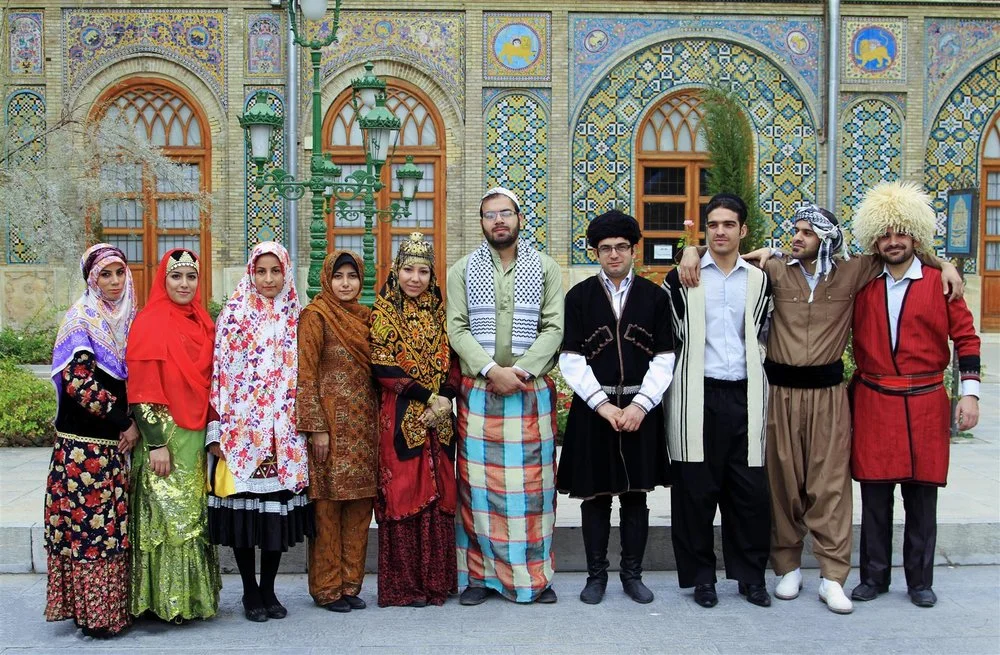
Iran is a multi-ethnic society with a varied population dispersed in different parts of it. Here, we briefly explain the traditional clothing in Iran.
To start from the northern part of Iran, there are Gilak, Mazandarani, and Turkmen People. Gilaki women wear long shirts and matching vests, floor-sweeping skirts with colorful horizontal stripes at the bottom. Men are distinguished by the wide cotton belt around the waist.
Mazandarani people wear pants underneath their skirts which is much shorter and puffier than Gilaki skirts. Men wear cotton shirts and hunting trousers with socks and boots up to their knees.
Turkmen women, wear long dresses with open robes. They often conceal part of their faces with a cloth hanging just below the nose. Turkmen men wear wool hats to protect themselves against the cold weather.
In the middle and western parts of Iran, there are Qashqai, Bakhtiari, Kurds, and Lurs. Qashqai women are distinguished by their voluminous, multi-layered, colorful skirts and long headscarves pinned under the chin. Men’s round hat is made of sheep hair, which is unique to this tribe.
Bakhtiari women wear wool skullcaps and colorful, layered skirts paired with matching vests. Men wear tunics with wide trousers fastened at the ankle.
Both Kurd men and women wear baggy clothes shaped at the waist by a wide belt. Men wear matching jackets, and women decorate their headscarves with dangling coins and jewels.
In contrast to Lur men, who wear neutral colors in their baggy clothes, women lean towards bright colors, with the trademark stripes hemmed on the pant cuffs. A vest reveals the sleeves of the long dress worn over the pants.
In the southeastern part of Iran, Baluch men wear typical Shalwar Kameez. Women wear pants and colorful embroidered knee-length dresses and adorn themselves with gold bracelets, necklaces, and brooches.

0 Comment